What is Energy Efficient Light Bulbs
There are two main types of energy efficient light bulbs available in the UK. Light Emitting Diodes (LEDs) and Compact Fluorescent Lamps (CFLs). Both are cost-effective options for most general lighting requirements
Replacing a traditional incandescent bulb with an LED or a CFL will save you a few pounds every year for each bulb you change. Above all, Replacing all of the bulbs in your house can provide you with some substantial savings on your electricity.
LEDs are more efficient than CFLs and will therefore save you more money in the long term. They are often used to replace halogen down lighters and other spotlights, however they are now also available as a replacement for most other bulbs as well.
Is it right for me?
Energy efficient light bulbs are available in a wide range of fittings and outputs. Most importantly, households can fit energy efficient lights throughout the whole house. Therefore, modern energy efficient bulbs can look and feel exactly like old fashioned bulbs, so there is no reason not to fit them.
Getting the right brightness
Finding the right brightness can be a little challenging since the introduction of energy efficient bulbs. Firstly, old bulbs were measured in watts, however this is actually a measure of how much electricity they use, not how much light they give out.
Light output is actually measured in lumens (Lm), so all new light bulbs should now have their light output shown in lumens on the packaging. Most importantly, this is the best way to compare the brightness of one bulb with another.
If you are replacing an old bulb, then you won’t know the lumens rating. As a rough guide, you will need about 1,200 to 1,300 Lm to a replace an old 100 watt bulb, and 630 to 700 Lm to replace a 60 watt bulb. You’ll want around 200 to 400 Lm to replace a halogen downlighter.
Getting the right colour
Most energy efficient bulbs are available as warm white or cool white. Warm white bulbs give out light that’s the same colour as traditional filament bulbs. If you want to fit energy efficient bulbs without changing the feel of your home, then choose warm white.
Cool white bulbs give out light that is a bit less yellow. The whiter light can create a colder appearance, but some people prefer this.
Some bulbs are also available in a daylight option. These give out pure white light that matches the colour of actual daylight. They are usually used for specific purposes – such as when people need to compare colours accurately as part of their work.
How to get it
LEDs and CFLs of various fittings are widely available in DIY or home stores and can also be found in most local supermarkets. You can also find lights for virtually every use by searching online. Make sure you buy the right fitting. When replacing a bulb it is a good idea to take the old bulb to the shop with you, so you can compare fittings.
Using your low energy lighting
You can save more money by being conscious about how you use your lighting.
- Always turn your lights off when you leave a room, even if just for a minute
- Be conscious of how many lights you have on and whether you need them all on
- Use a sensor to control external lights so they are only on when they need to be
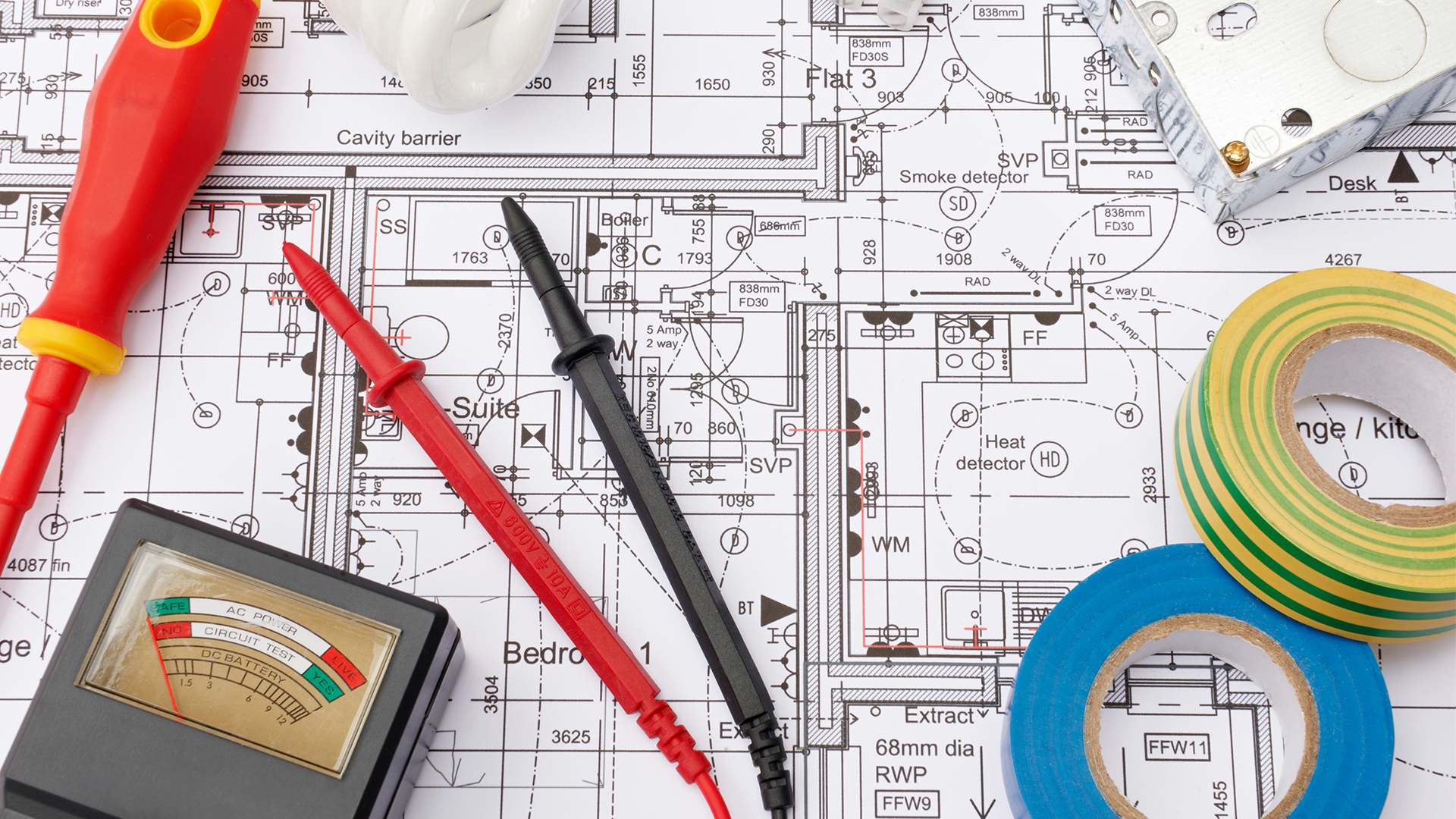
- When the wiring is being done, you should arrange your light switches so that it is convenient to turn them off. For example, at the top and bottom of stairs, each end of a hallway or each door to a room