SAP 10 Explained | What It Means for Part L Compliance SAP 10 is the current version of the Standard Assessment Procedure used to assess the energy performance of residential…
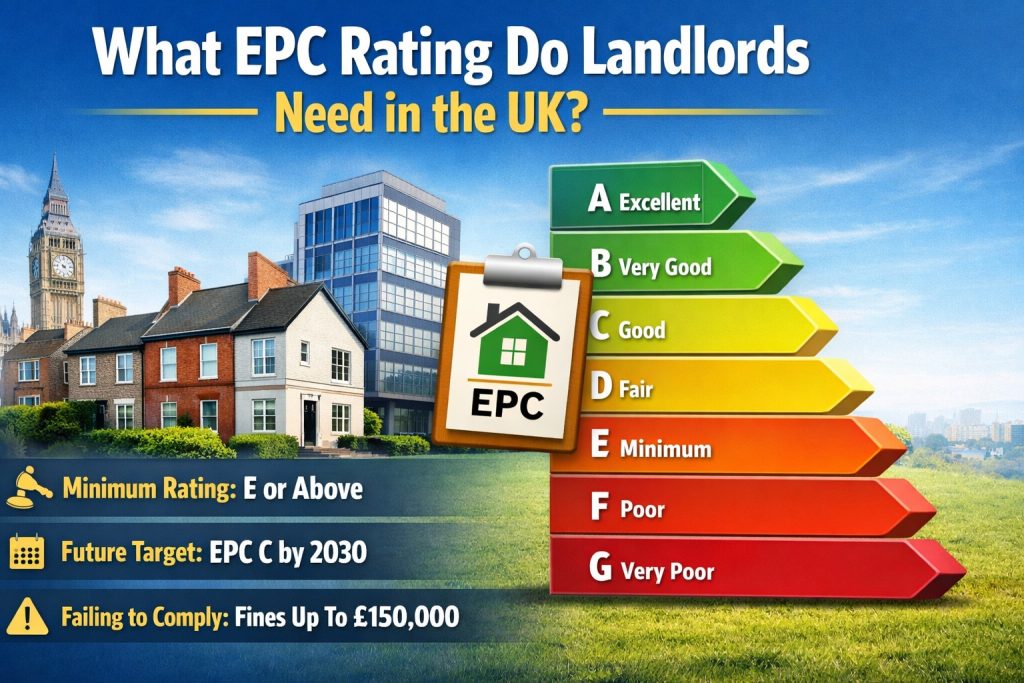
What EPC Rating Do Landlords Need in the UK (2026 Guide) If you are a landlord in the UK, understanding EPC (Energy Performance Certificate) requirements is essential. Not only is…
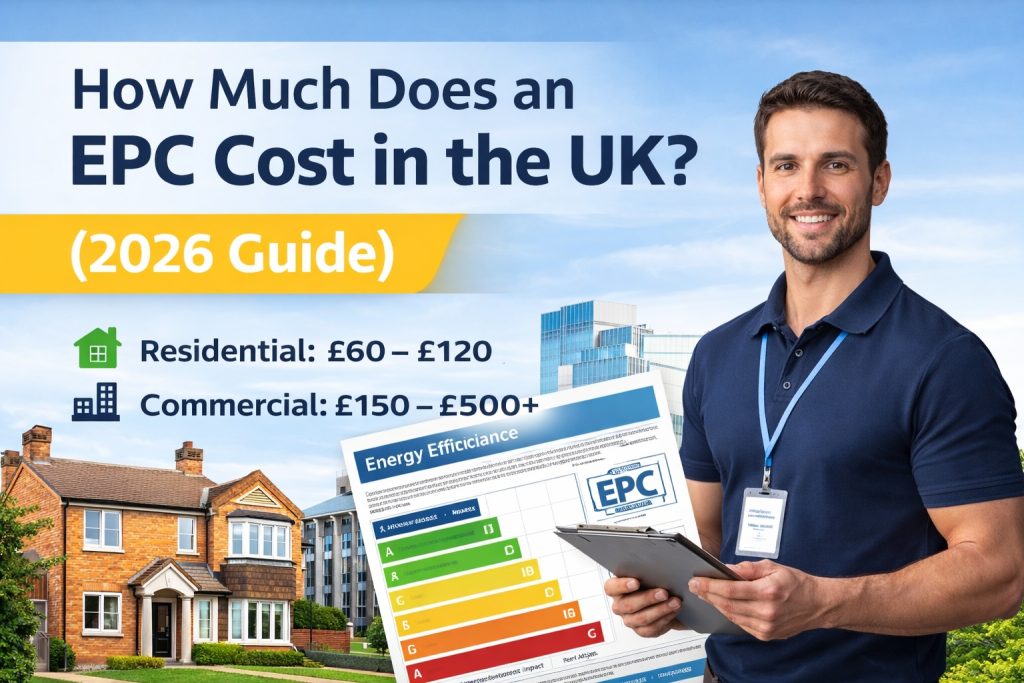
How Much Does an EPC Cost in the UK? (2026 Guide) Understanding the cost of an EPC (Energy Performance Certificate) is essential if you are selling, renting, or managing a…
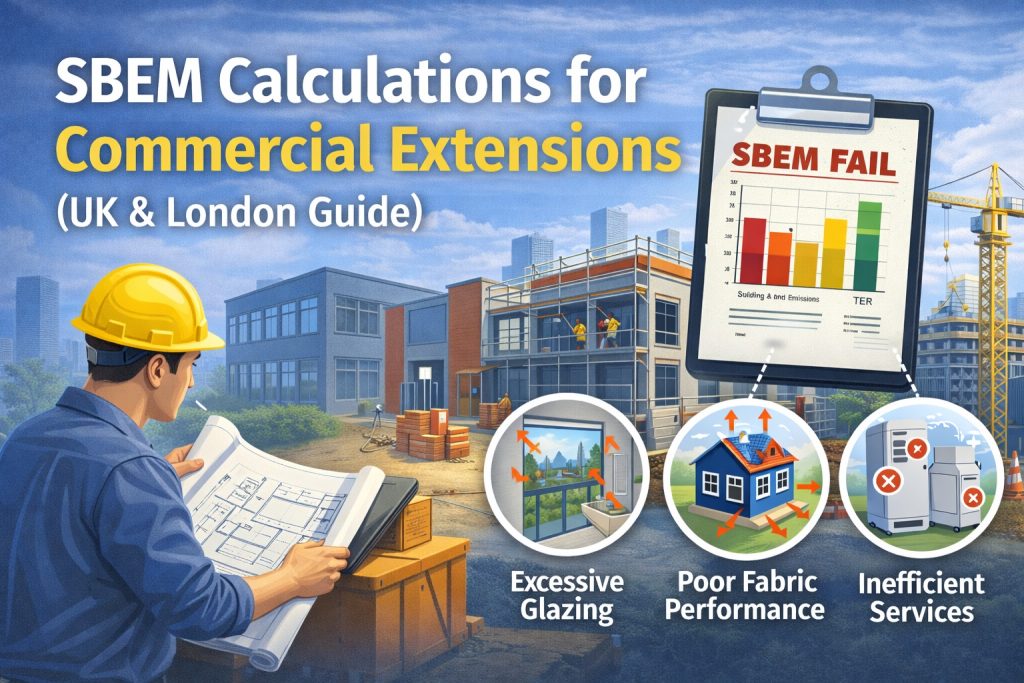
SBEM Calculations for Commercial Extensions (UK & London Guide) If you are planning a commercial extension, you may be wondering whether SBEM Calculations are required. In many cases, the answer…
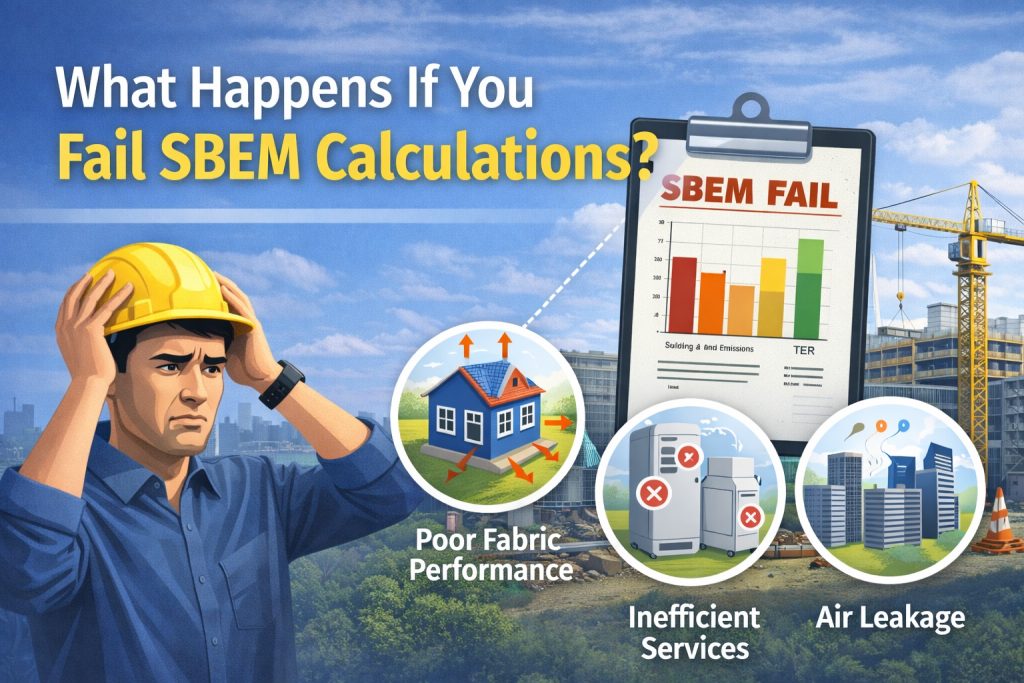
What Happens If You Fail SBEM Calculations? If your project fails SBEM Calculations, your building does not meet the energy efficiency standards set out in Building Regulations Part L. As…
How to Pass an Air Tightness Test First Time (UK Guide) Passing an air tightness test first time keeps your project on track. Otherwise, you risk delays, additional costs, and…
Fabric First Strategy in SAP Calculations | Part L Guide A fabric first strategy plays a central role in modern building design. Rather than relying heavily on renewable technologies, this…
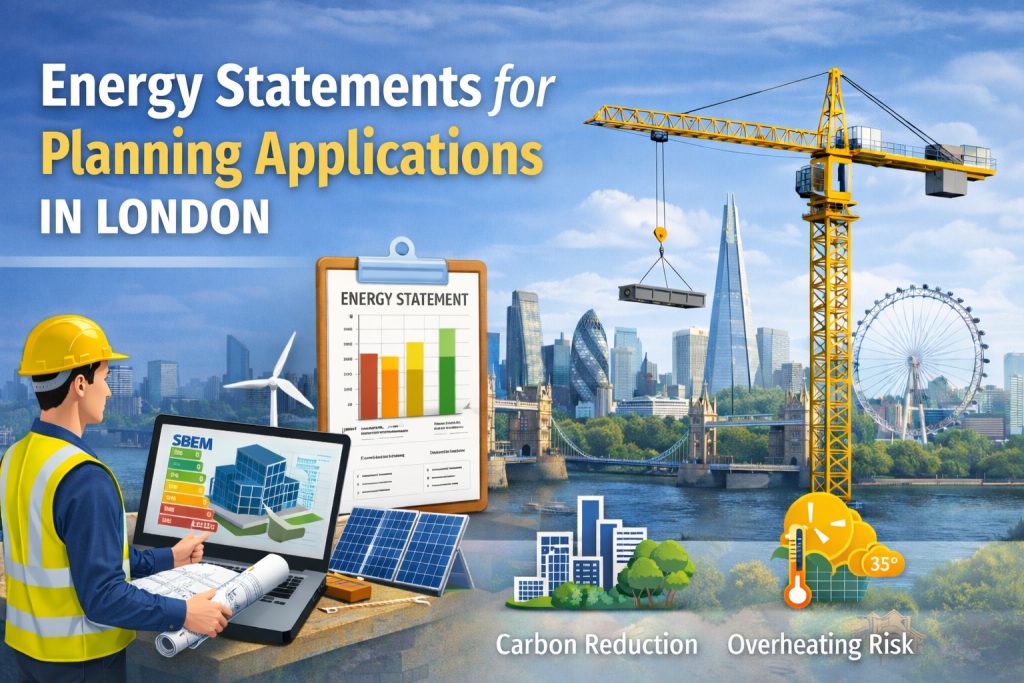
Energy Statements for Planning Applications in London If you are submitting a planning application in London, you will often need to provide an Energy Statement. Local planning authorities expect developers…
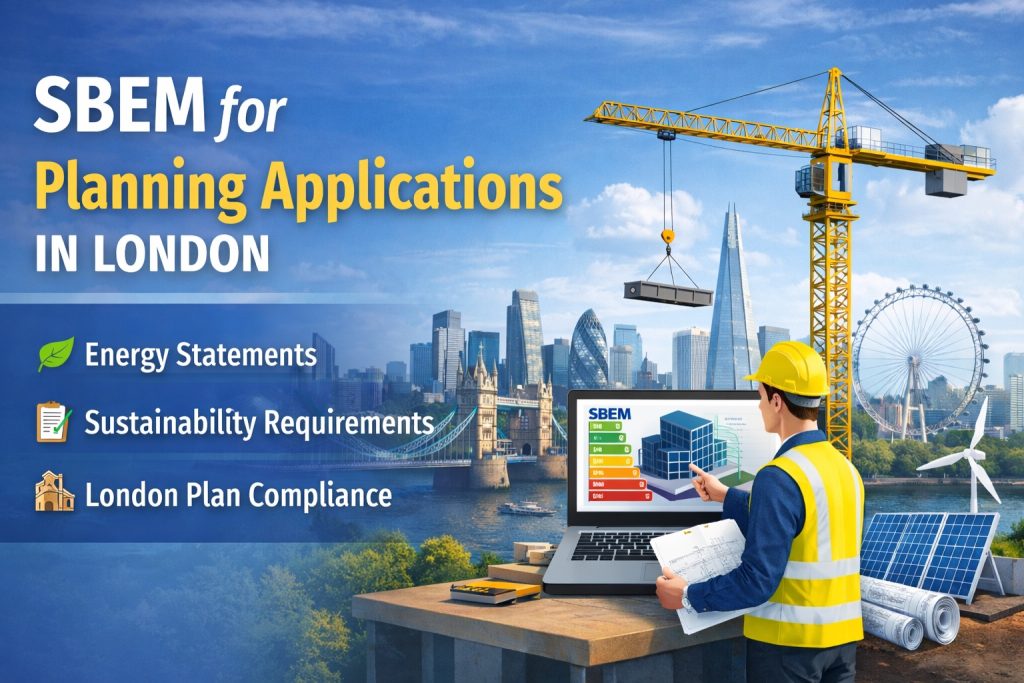
What Is SBEM and How Does It Support Planning? SBEM (Simplified Building Energy Model) measures the energy performance of non-domestic buildings. It calculates: Carbon emissions Energy consumption Fabric performance Heating…
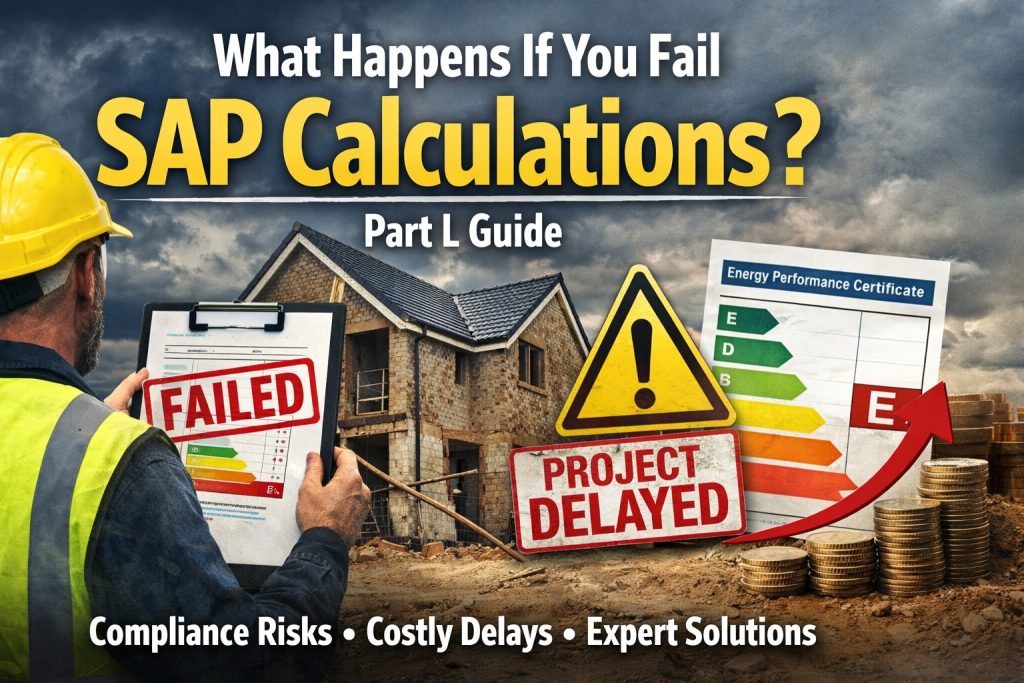
What Happens If You Fail SAP Calculations? Failing SAP Calculations can delay your project, increase costs, and create unnecessary stress. However, in most cases, failure is both common and fixable—especially…
This website uses cookies to improve your experience. If you continue to use this site, you agree with it.