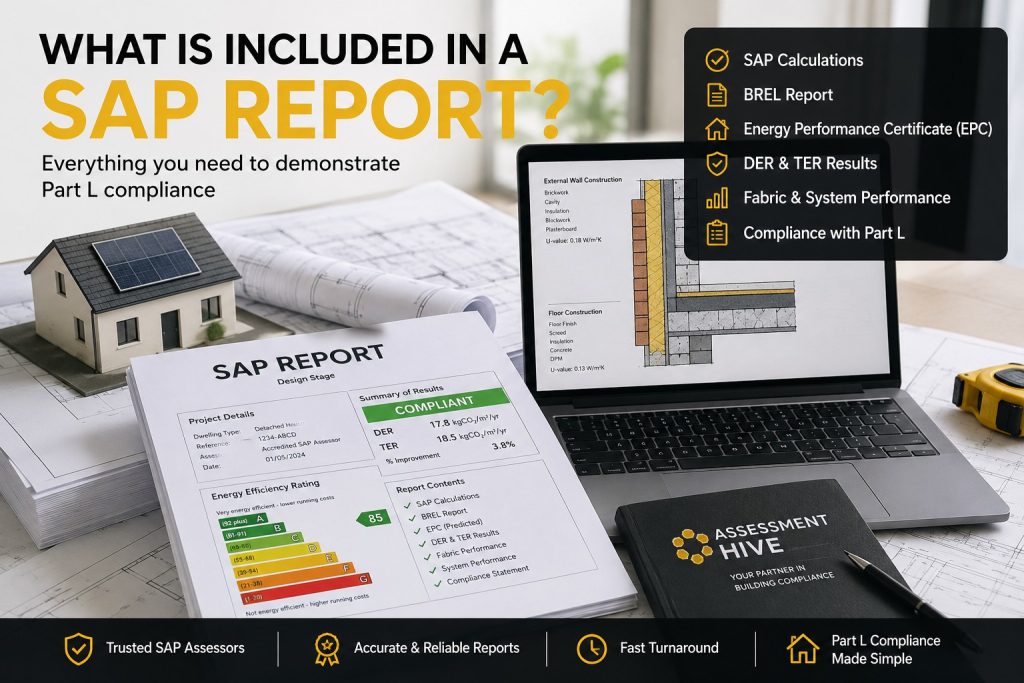
SAP 10 Explained | What It Means for Part L Compliance SAP 10 is the current version of the Standard Assessment Procedure used to assess the energy performance of residential…
How Much Does an EPC Cost in the UK? (2026 Guide) Understanding the cost of an EPC (Energy Performance Certificate) is essential if you are selling, renting, or managing a…
Fabric First Strategy in SAP Calculations | Part L Guide A fabric first strategy plays a central role in modern building design. Rather than relying heavily on renewable technologies, this…
Energy Statements for Planning Applications in London If you are submitting a planning application in London, you will often need to provide an Energy Statement. Local planning authorities expect developers…
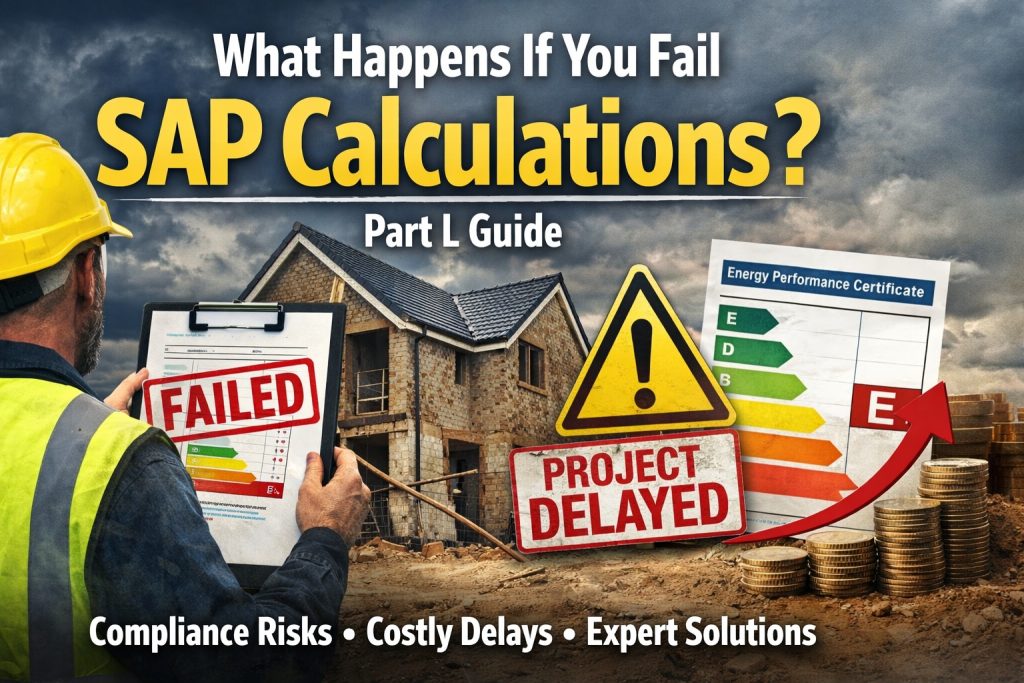
What Happens If You Fail SAP Calculations? Failing SAP Calculations can delay your project, increase costs, and create unnecessary stress. However, in most cases, failure is both common and fixable—especially…
How Air Tightness Impacts SAP Calculations Air tightness plays a crucial role in the energy performance of modern homes. In fact, uncontrolled air leakage can significantly affect SAP results and…
Thermal Bridging in SAP Calculations – Psi Values, Y-Values & Part L Compliance Explained Thermal bridging is one of the most important — yet frequently overlooked — factors in SAP…
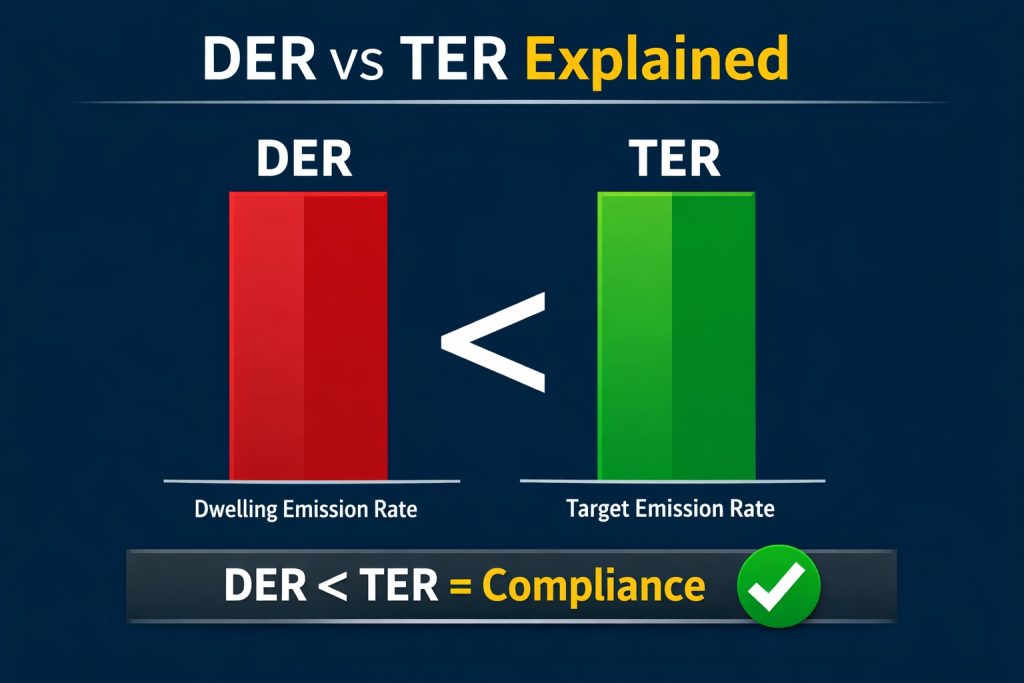
DER vs TER Explained – What They Mean for SAP Compliance If you are working on a new dwelling, you will encounter two critical SAP outputs: DER and TER. Understanding…
How to Improve Your SAP Score Before Submission (UK Guide) If you want to improve your SAP score before submission, you must optimise your design early. Many projects come close…
Why Building Control Reject SAP Reports (And How to Avoid It) If you’re submitting SAP Calculations for a new build, extension or conversion, the last thing you want is a…