Can You Rent a Property Without an EPC? (UK Law Explained)
If you’re a landlord in the UK, you may be wondering whether it’s possible to rent out a property without an Energy Performance Certificate (EPC).
The short answer is:
👉 No — in most cases, you cannot legally rent a property without an EPC.
However, there are a few exceptions and important details you need to understand.
In this guide, we’ll explain the legal requirements, penalties, and how EPC rules link to Minimum Energy Efficiency Standards (MEES).
At Assessment Hive, we help landlords stay compliant with fast, reliable EPC and energy assessment services.
📘 What Is an EPC and Why Is It Required?
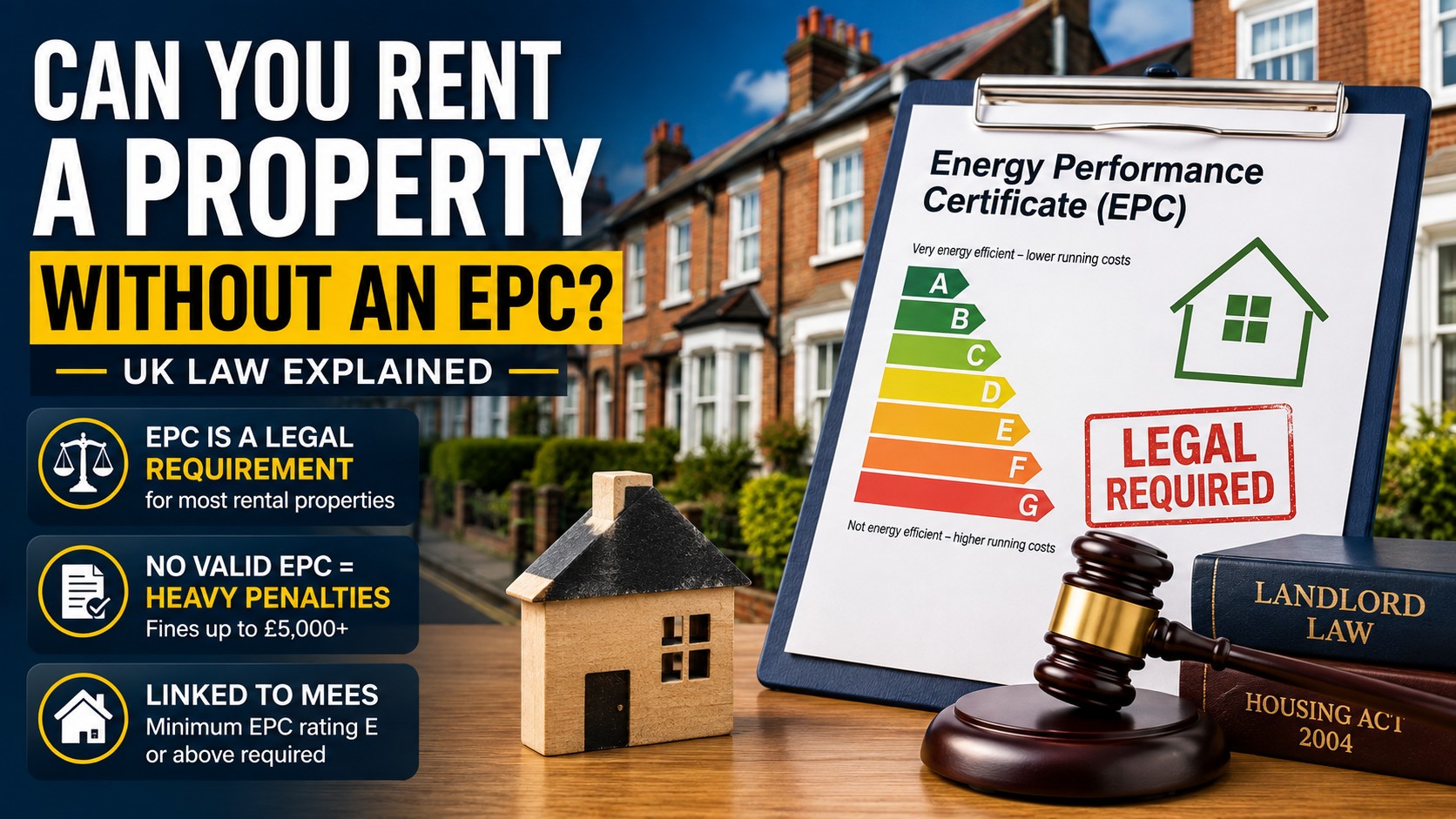
An Energy Performance Certificate (EPC) shows how energy efficient a property is, with ratings from A (most efficient) to G (least efficient).
It is a legal requirement because it provides transparency for tenants and helps improve the energy efficiency of buildings across the UK.
In addition, EPCs form the foundation of rental regulations, including MEES.
👉 If you don’t already have one, you will need a Residential EPC for domestic properties or a Commercial EPC for business premises.
⚖️ Is an EPC a Legal Requirement to Rent?
Yes — in almost all cases, landlords must have a valid EPC before:
- Marketing a property for rent
- Signing a tenancy agreement
- Allowing a tenant to occupy the property
Because of this, you cannot legally rent a property without an EPC unless a specific exemption applies.
In addition, your EPC must meet minimum standards. If you’re unsure what rating you need, read our guide on what EPC rating landlords need in the UK, which explains the legal thresholds in detail.
⚠️ What Happens If You Rent Without an EPC?
Renting a property without an EPC can lead to enforcement action and financial penalties.
You could face:
- Fines of up to £5,000 (residential properties)
- Much higher penalties for commercial buildings
- Difficulty serving Section 21 notices
- Issues when selling or refinancing
Therefore, ensuring you have a valid EPC is essential before renting your property.
🧱 How EPC Rules Link to MEES
EPCs are not just a legal requirement — they are also used to enforce Minimum Energy Efficiency Standards (MEES).
This means:
👉 You must have an EPC
👉 Your EPC must be E or above
If your property is rated F or G, you cannot legally rent it unless you improve the rating or register an exemption.
For a full breakdown of these rules, see our MEES Compliance Services guide, which explains the process, exemptions, and costs.
❗ Are There Any Exceptions?
Yes — although most properties require an EPC, there are some exceptions.
Examples include:
- Listed buildings (in certain cases)
- Temporary buildings
- Buildings due for demolition
- Some low-energy or standalone buildings
However, these exemptions are limited and must be carefully assessed. In most cases, landlords will still need an EPC.
🛠️ What Should You Do If You Don’t Have an EPC?
If your property does not have a valid EPC, you should arrange one as soon as possible.
The process is quick and straightforward:
- Book an EPC assessment
- Have your property inspected
- Receive your EPC certificate
- Review recommendations for improvement
Once completed, you can legally market and rent your property.
🏢 Do Commercial Properties Need an EPC?
Yes — commercial properties must also have an EPC before being leased.
In addition, larger or more complex buildings may require further assessments such as SBEM Calculations.
However, the key rule remains the same:
👉 No EPC = No legal rental
Commercial landlords also need to consider Minimum Energy Efficiency Standards. In June 2026, the Government announced proposals that could require privately rented non-domestic buildings over 1,000m² to achieve EPC B from 2031, where cost-effective. Read our guide to the MEES 2031 changes for commercial landlords for the full details.
📍 EPC Requirements in London
If your property is located in London, energy requirements can be more demanding.
In addition, developments often require supporting documents such as Energy Statements, particularly for planning applications.
Because of this, landlords and developers should ensure their EPC strategy aligns with both legal and planning requirements.
💷 How Much Does an EPC Cost?
The price of an EPC can vary depending on the type, size and complexity of the property. If you would like a clearer idea of what you can expect to pay, read our How Much Does an EPC Cost in the UK? guide, where we explain typical EPC prices, what affects the cost and what landlords should consider before arranging an assessment.
Typically:
- Residential EPCs are relatively low cost
- Commercial EPCs vary depending on complexity
However, this is a small investment compared to the potential fines and legal issues of non-compliance.
🚀 How Assessment Hive Can Help
At Assessment Hive, we help landlords stay compliant quickly and efficiently.
- ✅ Fast EPC turnaround
- ✅ Nationwide coverage
- ✅ Clear compliance guidance
- ✅ Support for residential and commercial properties
In addition, we can assist with SAP, SBEM, and Energy Statements where required.
❓ FAQs – Renting Without an EPC
Can I advertise a property without an EPC?
No. You must have a valid EPC before marketing your property.
Can I rent a property with an expired EPC?
No. The EPC must be valid (they typically last 10 years).
What happens if my property is rated F or G?
You cannot legally rent it unless you improve the rating or register an exemption.
Are landlords always required to have an EPC?
In most cases, yes. Only limited exemptions apply.
Does MEES apply to all rental properties?
Yes, MEES applies to both residential and commercial properties, with some exceptions.
📞 Get Help with EPC Compliance
If you need an EPC or want to ensure your property meets legal requirements, we’re here to help.
 Fast turnaround (24–48 hours) Competitive pricing Fully accredited assessments Friendly, expert guidance
 Call us on 020 7183 3240
 Email us at [email protected]
 Request Instant Quote → Click Here