Fabric First Strategy in SAP Calculations | Part L Guide
A fabric first strategy plays a central role in modern building design. Rather than relying heavily on renewable technologies, this approach focuses on improving the building envelope to reduce heat loss and energy demand from the outset.
In SAP Calculations, fabric performance directly affects compliance with Building Regulations Part L. Therefore, adopting a fabric first approach often provides the most reliable path to achieving compliance.
In this guide, we explain what fabric first means, how it impacts SAP results, and how you can use it to improve energy performance across new builds, extensions and conversions.
For a full overview of compliance requirements, see our SAP Calculations UK guide.
🧱 What Is a Fabric First Strategy?
A fabric first strategy prioritises the performance of the building envelope before introducing mechanical or renewable systems.
This includes improving:
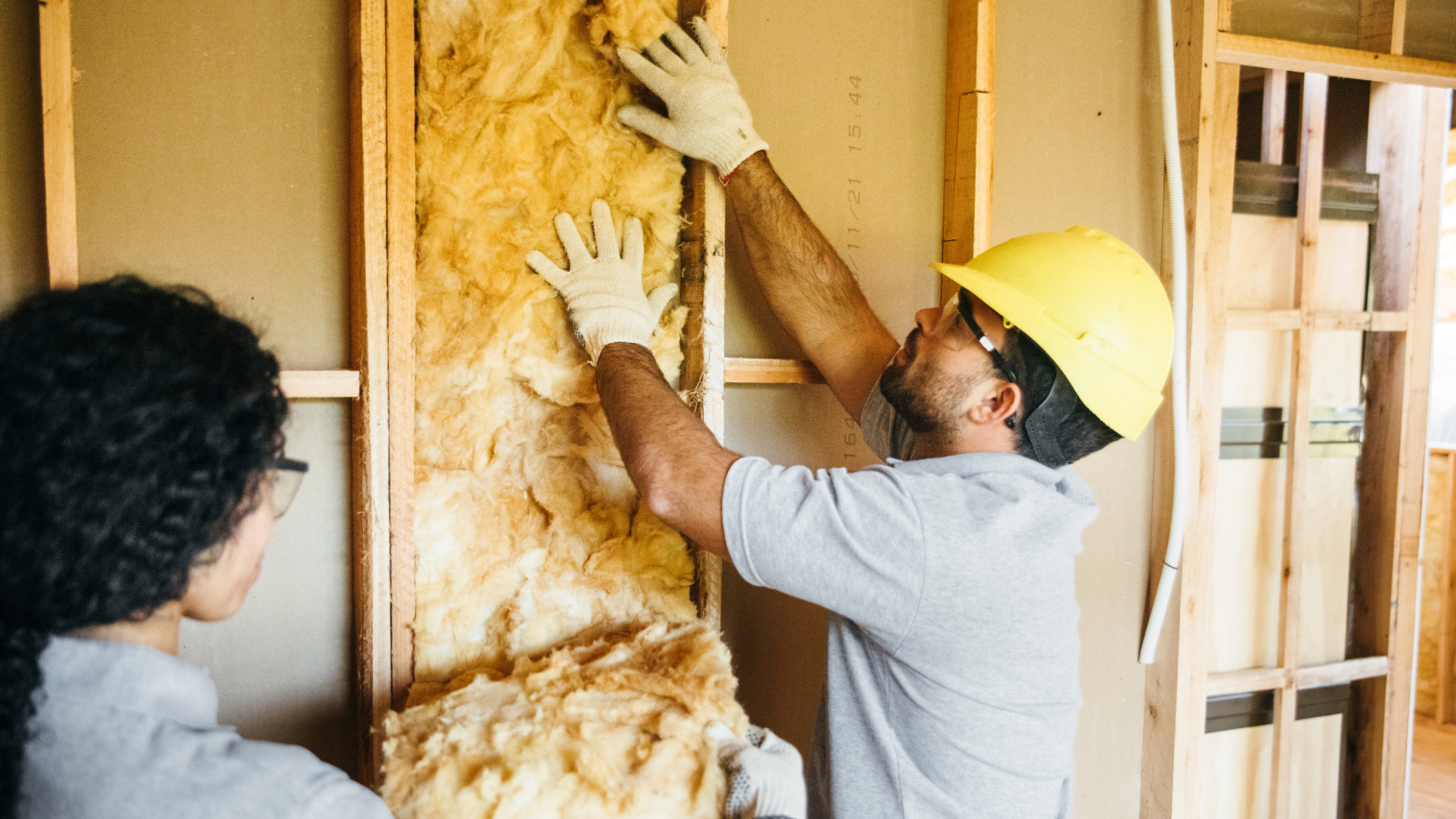
- Walls, floors and roof insulation
- Airtightness
- Thermal bridging
- Glazing performance
Because these elements control heat loss, improving them reduces overall energy demand.
As a result, the building requires less energy to heat and cool.
📊 How Fabric First Impacts SAP Calculations
SAP Calculations assess how much energy a building uses and how much carbon it emits.
A fabric first approach improves key SAP inputs, including:
- Fabric Energy Efficiency (FEE)
- Dwelling Emission Rate (DER)
- Primary Energy demand
When heat loss reduces, heating demand also decreases. Consequently, the DER lowers and compliance becomes easier to achieve.
To understand emission targets, read DER vs TER Explained.
SAP 10 increases the importance of fabric performance in achieving compliance. Learn more in SAP 10 Explained.
🔬 Fabric First vs Renewable-Led Design
There are two main approaches to achieving SAP compliance.
1️⃣ Fabric First Approach
Focus on reducing heat loss through insulation and airtightness.
2️⃣ Renewable-Led Approach
Offset emissions using solar panels or heat pumps.
Although both approaches can achieve compliance, fabric first offers several advantages:
- More stable long-term performance
- Reduced reliance on technology
- Lower maintenance requirements
- Better comfort levels
Therefore, most high-performing buildings prioritise fabric performance first.
🌬 Fabric First and Air Tightness
Airtightness forms a critical part of fabric performance.
If uncontrolled air leakage occurs, even well-insulated buildings lose heat quickly. Therefore, improving airtightness significantly strengthens SAP results.
To understand this relationship, read How Air Tightness Impacts SAP Calculations.
🧱 Fabric First and Thermal Bridging
Thermal bridging occurs at junctions where heat escapes more easily.
Even if insulation levels are high, poor junction detailing can increase heat loss and reduce SAP performance.
Because of this, fabric first design must include accurate junction detailing and psi-values.
Learn more in Thermal Bridging in SAP Calculations.
🏗 Fabric First for New Builds
For new build dwellings, fabric first design provides the most effective route to compliance.
By improving:
- Insulation levels
- Airtightness
- Junction detailing
developers can reduce reliance on renewable technologies.
This approach often leads to:
- Lower DER
- Better EPC ratings
- More robust compliance margins
If you are planning a development, see SAP Calculations for New Builds.
🏡 Fabric First for Extensions
In extensions, especially those with large glazed areas, heat loss increases quickly.
Therefore, improving fabric performance becomes essential.
For example:
- Upgrading insulation
- Improving glazing specifications
- Sealing junctions
These steps help offset increased heat loss from glazing.
For further guidance, see SAP Calculations for Extensions.
🏢 Fabric First for Conversions
Conversions present unique challenges because existing buildings often limit upgrade potential.
However, fabric improvements still play a key role.
For instance:
- Internal wall insulation
- Improved glazing
- Airtightness improvements
These upgrades help achieve compliance under Part L.
For more information, see SAP Calculations for Conversions.
⚠ What Happens Without a Fabric First Approach?
If a project relies too heavily on renewables without strong fabric performance:
- Heat loss remains high
- Energy demand increases
- SAP margins become unstable
In many cases, this leads to compliance failure.
If your project is at risk, read What Happens If You Fail SAP Calculations?
📈 How to Apply Fabric First in Practice
To implement a fabric first strategy effectively:
- Increase insulation thickness
- Improve glazing performance
- Reduce thermal bridging
- Improve airtightness
- Set realistic performance targets
When these measures are applied early, compliance becomes significantly easier.
For further optimisation strategies, see How to Improve Your SAP Score Before Submission.
🏙 Fabric First in London Developments
In London, developments often operate under tighter compliance constraints.
Because of:
- Higher glazing ratios
- Urban heat challenges
- Planning-stage energy requirements
fabric first strategies become even more important.
In addition, planning documents such as Energy Statements often require strong fabric performance from the outset.
For location-specific guidance, see SAP Calculations London.
🧠 Final Thoughts
A fabric first strategy provides the most reliable foundation for SAP compliance.
By reducing heat loss at the source, you can:
- Improve SAP results
- Achieve stronger EPC ratings
- Reduce energy demand
- Avoid costly redesign
- Create more comfortable buildings
When combined with airtightness, good junction detailing and efficient systems, fabric first design delivers long-term performance and compliance certainty.
❓ Frequently Asked Questions
What is a fabric first approach in SAP?
A fabric first approach focuses on improving insulation, airtightness and building fabric before relying on renewable technologies.
Does fabric first reduce SAP failure risk?
Yes. By lowering heat loss and energy demand, fabric first strategies improve compliance margins and reduce the risk of failure.
Is fabric first better than renewables?
Fabric first and renewables work together. However, improving fabric performance first creates more stable and efficient buildings.
How does fabric first affect EPC ratings?
Better fabric performance reduces energy demand, which improves EPC ratings and lowers running costs.
 Request a SAP Calculations UK Quote
Planning a new build, extension or conversion?
Contact Assessment Hive today. We will review your drawings, assess compliance risk and provide a clear, fixed-fee proposal.
-
 Fast turnaround
 -
 Competitive pricing
 -
 Remote, nationwide service
 Call us on 020 7183 3240
 Email us at [email protected]
 Request Instant Quote → Click Here